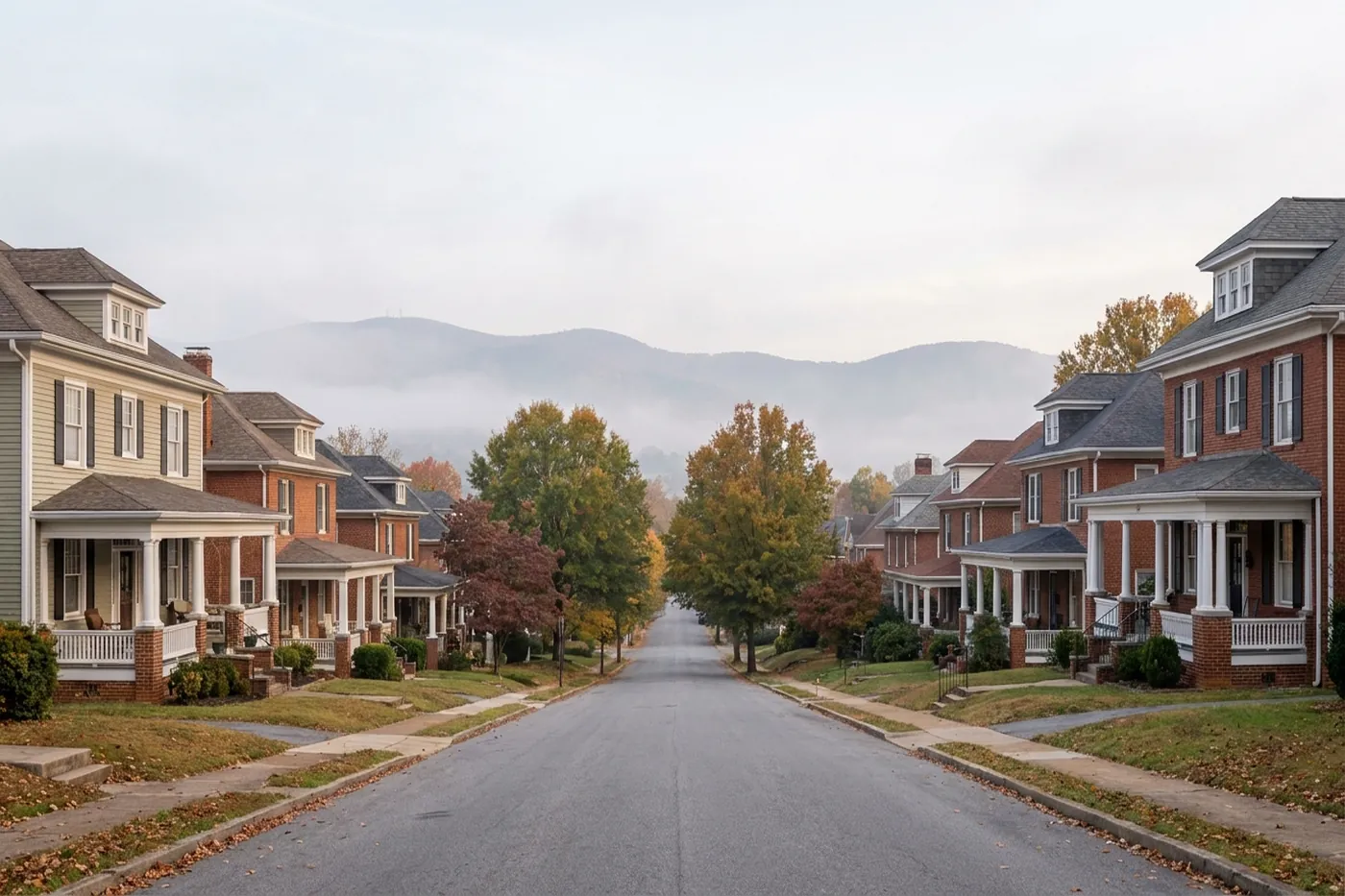
Vapor barrier installation in Roanoke costs $1,500–$4,000 — reinforced 12–20 mil liner, mechanically fastened and sealed at seams and piers. Over a limestone valley floor that moves groundwater year-round, the sealed ground layer is the non-negotiable first line.
Why valley ground earns a real barrier, what a sealed install includes, and when this tier is honestly enough.
Ground moisture, valley edition
Every bare crawl floor evaporates moisture upward — and a valley floor sitting over active limestone hydrology does it with enthusiasm, wet season and dry. That vapor is the baseline load on your framing and the humidity your first floor inherits. Sealing the ground interrupts the source itself, which is why the barrier is stage one of everything from minimal moisture control to the full sealed system — and why we install it like it matters.
Sealed system vs. spread plastic
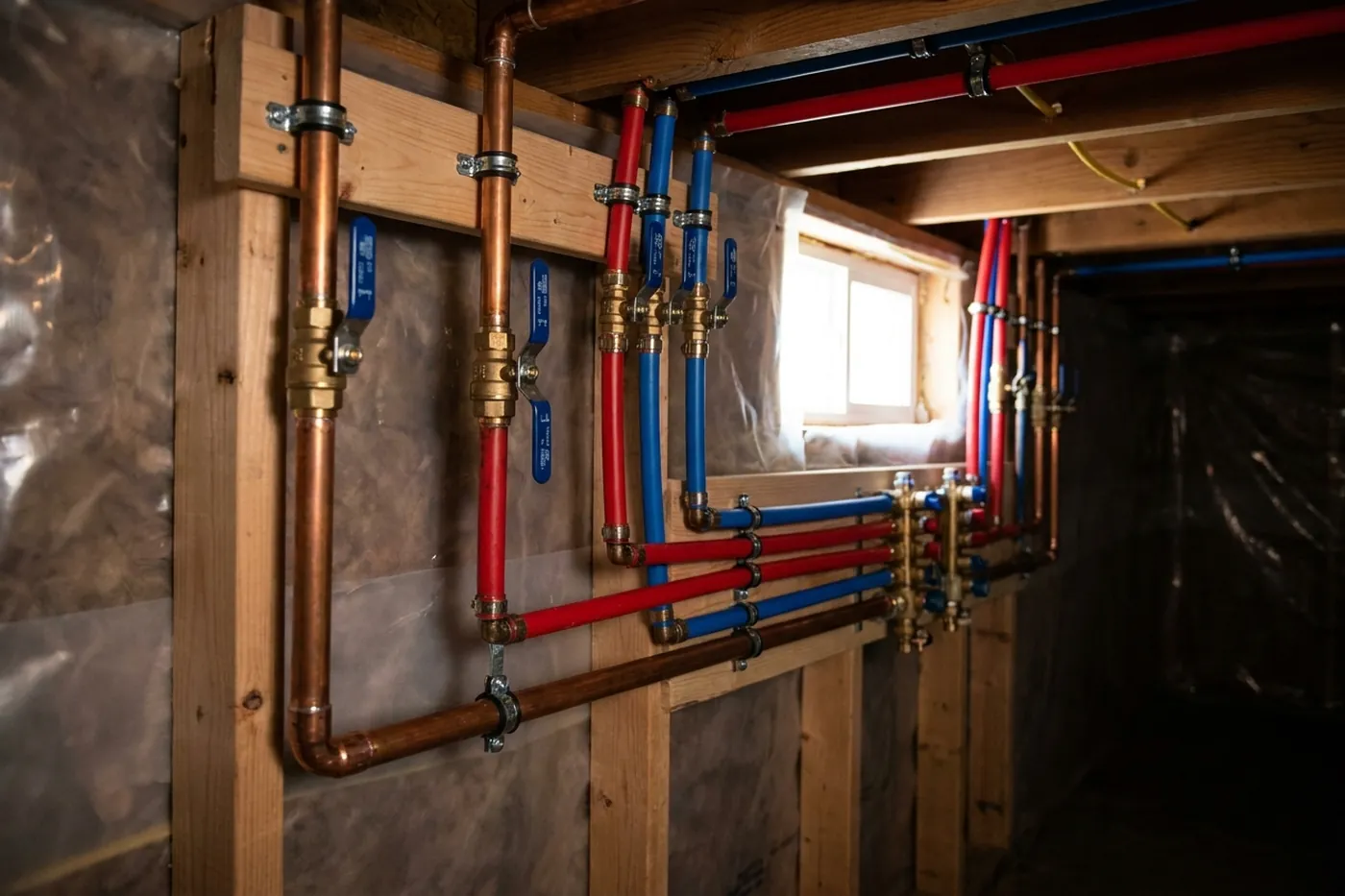
- Reinforced 12–20 mil liner that survives decades of service visits
- Ground prepped — debris and sharp rock cleared before a single panel lays
- Generous overlaps, taped end to end — a vapor seal, not a loose lay
- Fastened at walls and every pier so the liner never migrates
- Penetrations sealed, finished layer photographed
Installation day, start to finish
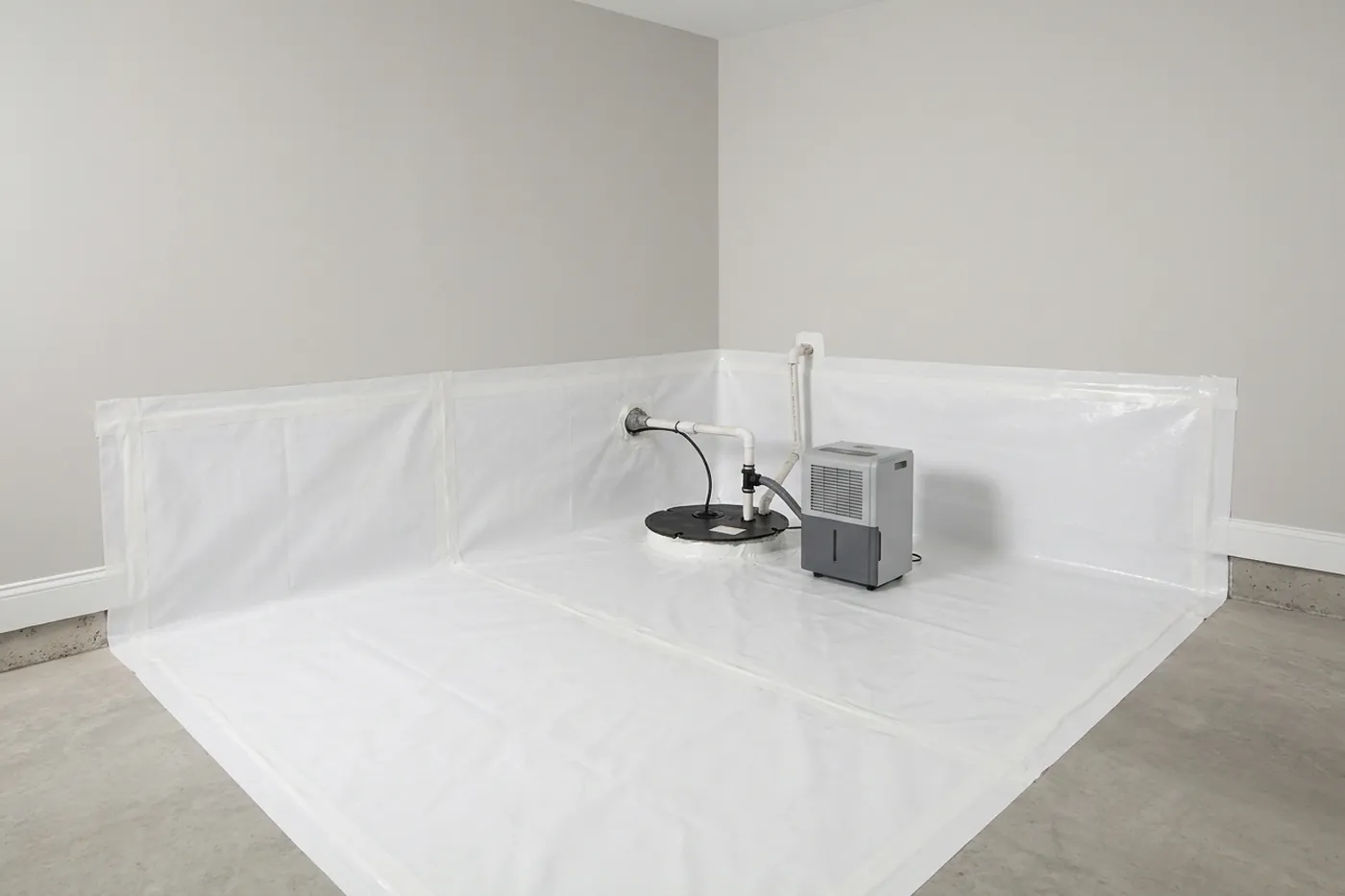
- Ground prep — debris, failed old sheeting, and sharp rock cleared; surface raked
- Panel layout — liner cut oversized so every seam overlaps generously
- Fastening — mechanical attachment at walls and each pier, so nothing migrates
- Sealing — seams taped full length, piers wrapped, penetrations closed
- Photos — the finished bright layer documented before we leave
One crew, one day for most valley crawls; tight pier fields and low clearances run longer and the quote says so beforehand. The finished surface is walkable for every future service visit — and if the crawl ever graduates to full crawl space encapsulation, this layer is stage one already bought and installed.
What the barrier changes upstairs
Ground evaporation is the crawl's baseline humidity supply — often gallons per day in an uncovered valley crawl. Sealing it drops the load your floor system absorbs and your HVAC fights, which shows up as drier subfloor readings within weeks and a less stubborn summer indoors. It won't stop vented-air condensation by itself — that's the sealed system's job — but it removes the source that never takes a season off.
The honest stopping point
Plenty of drier county crawls — newer construction in Daleville, Troutville, and the Cave Spring-era suburbs — need exactly this layer and nothing more. The inspection's readings say so when it's true, and the quote matches the readings. If your crawl needs more, you'll see why in photos before you see a bigger number.
Frequently asked questions
What does a vapor barrier cost installed here?
$1,500-$4,000 for reinforced 12-20 mil liner sealed at seams and piers across most valley crawls. It's also stage one of full encapsulation, so nothing is thrown away if you upgrade later.
Does limestone ground release more moisture?
Valley floors move groundwater actively, and bare crawl soil above it evaporates steadily — surface-dry dirt included. The sealed barrier interrupts that supply at the ground, which is why it's every moisture plan's foundation.
Is the old plastic under my house doing anything?
Loose 6-mil sheeting blocks a fraction and fails everywhere it gaps, tears, or stops short of piers. The upgrade to a sealed reinforced layer is the difference between a gesture and a system.
Which crawls should stop at the barrier tier?
Dry crawls with no seep or runoff history and moderate summer readings — common in newer county construction. The inspection's readings make the call honestly.
Get a free Roanoke crawl space inspection
Tell us what you're noticing — smells, humidity, floor bounce, a wet crawl — and we'll schedule an inspection with photos of what we find. We reply the same business day.